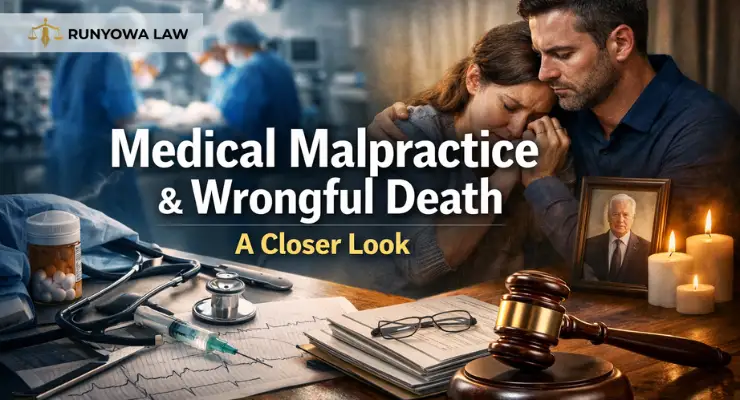
When we place our trust in medical professionals, we expect competent care, honest communication, and decisions made in our best interest. For most patients, that trust is honored. But when serious medical errors occur, the consequences can be devastating—sometimes even fatal. In such cases, families are often left searching for answers, accountability, and justice.
This is where medical malpractice and wrongful death claims intersect. While both involve legal action, their purpose, process, and emotional impact are deeply intertwined. Understanding how medical malpractice can result in wrongful death—and what legal options are available—can help families navigate one of the most difficult experiences of their lives.
This in-depth guide takes a closer look at how medical malpractice leads to wrongful death, the legal standards involved, who can file a claim, what compensation may be available, and how the process typically unfolds.
Understanding Medical Malpractice
Medical malpractice occurs when a healthcare professional fails to meet the accepted standard of care, resulting in harm to a patient. This does not mean that every bad medical outcome qualifies as malpractice. Medicine involves risk, and not all complications are preventable.
Malpractice arises when a provider’s actions—or failure to act—fall below what a reasonably skilled medical professional would have done under similar circumstances.
The Standard of Care Explained
The “standard of care” refers to the level of competence expected from a medical professional in a particular situation. It varies based on factors such as:
- The provider’s specialty
- The patient’s condition
- Available resources
- Established medical practices
If a doctor, nurse, or hospital deviates from this standard and causes harm, malpractice may have occurred.
How Medical Malpractice Can Lead to Wrongful Death
Wrongful death occurs when a person dies as a direct result of another party’s negligence or misconduct. In healthcare settings, wrongful death claims often stem from severe medical malpractice.
When a patient survives an injury caused by malpractice, they may pursue a personal injury claim. But when that injury results in death, the legal focus shifts to a wrongful death claim brought by surviving family members.
Common Medical Errors That Result in Fatal Outcomes
Certain types of medical malpractice are more likely to result in wrongful death, including:
Misdiagnosis or Delayed Diagnosis
Failing to diagnose life-threatening conditions—such as cancer, heart attacks, infections, or strokes—can eliminate critical treatment opportunities and lead to preventable death.
Surgical Errors
Mistakes during surgery, such as operating on the wrong site, damaging vital organs, or leaving surgical instruments inside the body, can quickly become fatal.
Medication Errors
Administering the wrong medication, incorrect dosage, or dangerous drug combinations may cause organ failure or fatal reactions.
Anesthesia Mistakes
Errors involving anesthesia—such as overdosage or failure to monitor oxygen levels—can lead to brain damage or death within minutes.
Failure to Monitor or Respond
Ignoring warning signs, abnormal test results, or patient deterioration can turn treatable complications into fatal outcomes.
What Makes a Death “Wrongful” Under the Law?
For a death to be considered wrongful due to medical malpractice, certain legal elements must be proven. These elements form the foundation of a successful claim.
Key Legal Elements of a Wrongful Death Claim
- Duty of Care
The healthcare provider owed a duty of care to the patient. - Breach of Duty
The provider failed to meet the accepted medical standard of care. - Causation
The breach directly caused or significantly contributed to the patient’s death. - Damages
The death resulted in measurable losses to surviving family members.
All four elements must be supported by evidence for a claim to succeed.
Who Can File a Wrongful Death Claim?
Wrongful death laws typically limit who has the legal right to file a claim. Eligible parties often include:
- Spouses or domestic partners
- Children (biological or legally adopted)
- Parents of the deceased
- Legal representatives of the estate
The exact eligibility rules vary by jurisdiction, but the intent is to allow those most directly affected by the loss to seek justice.
What Compensation May Be Available?
No amount of money can replace a loved one. However, wrongful death compensation is designed to ease financial burdens and acknowledge the profound loss suffered by surviving family members.
Types of Damages in Medical Wrongful Death Cases
Economic Damages
These cover measurable financial losses, such as:
- Medical expenses incurred before death
- Funeral and burial costs
- Lost income and future earnings
- Loss of benefits or inheritance
Non-Economic Damages
These address emotional and relational losses, including:
- Loss of companionship and guidance
- Emotional pain and suffering
- Loss of care, protection, and support
Punitive Damages (When Applicable)
In rare cases involving extreme negligence or misconduct, courts may award punitive damages to deter similar behavior in the future.
The Role of Medical Evidence and Expert Testimony
Medical malpractice wrongful death cases are evidence-intensive. Unlike other negligence claims, they almost always require expert medical testimony.
Why Expert Opinions Matter
Medical experts help establish:
- What the standard of care should have been
- How the provider deviated from that standard
- Whether the deviation caused the patient’s death
Without credible expert support, proving malpractice is extremely difficult.
How These Claims Differ from Criminal Cases
Wrongful death claims are civil cases, not criminal prosecutions. This distinction is important for families seeking accountability.
Civil vs. Criminal Responsibility
- Civil cases focus on financial compensation and accountability
- Criminal cases focus on punishment and incarceration
A healthcare provider may face a wrongful death lawsuit even if no criminal charges are filed. The burden of proof is also lower in civil cases, making legal recovery more attainable for families.
Hospitals, Clinics, and Institutional Liability
Wrongful death claims may involve more than individual doctors. Hospitals, clinics, and healthcare systems can also be held liable.
When Institutions May Be Responsible
Healthcare facilities may be legally responsible if:
- They employed the negligent provider
- They failed to properly train or supervise staff
- They enforced unsafe policies or procedures
- They ignored known safety risks
Institutional accountability is a critical part of improving patient safety.
Emotional Impact on Families
Beyond legal complexities, wrongful death due to medical malpractice carries a unique emotional weight. Families often struggle with feelings of betrayal, confusion, anger, and unresolved grief.
Many survivors find that pursuing a claim provides:
- Answers about what went wrong
- Validation that the death was preventable
- A sense of justice and closure
While litigation cannot undo the loss, it can help families move forward with clarity and purpose.
How Long Do Families Have to File a Claim?
Every jurisdiction imposes a statute of limitations—a legal deadline for filing wrongful death claims. These deadlines may vary depending on:
- When the death occurred
- When malpractice was discovered
- Who is filing the claim
Missing this deadline can permanently bar recovery, making early legal guidance essential.
The Importance of Legal Guidance
Medical malpractice wrongful death cases are among the most complex civil claims. They involve medical records, expert witnesses, legal deadlines, and emotional strain.
Families often seek support from experienced professionals, including lawyers in Regina Saskatchewan, who understand both medical negligence standards and wrongful death litigation. In many cases, working with a knowledgeable wrongful death lawyer can make the difference between unanswered questions and meaningful accountability.
Preventing Medical Malpractice Deaths
While legal action addresses harm after it occurs, prevention remains the ultimate goal. Healthcare systems continue to improve patient safety through:
- Better communication protocols
- Electronic medical records
- Surgical checklists
- Ongoing professional training
Wrongful death claims also play a role in driving systemic improvements by exposing dangerous practices.
Frequently Asked Questions
1. What is the difference between medical malpractice and wrongful death?
Medical malpractice refers to negligent medical care, while wrongful death is the legal claim filed when that negligence results in death.
2. Is every medical error considered malpractice?
No. Malpractice requires proof that the provider failed to meet the accepted standard of care and caused harm.
3. Who receives compensation in a wrongful death claim?
Compensation typically goes to surviving family members or the deceased’s estate, depending on local laws.
4. How long does a medical wrongful death case take?
These cases can take months or even years, depending on complexity, evidence, and whether the case settles or goes to trial.
5. Can multiple healthcare providers be held responsible?
Yes. Claims may involve doctors, nurses, hospitals, or healthcare systems if multiple parties contributed to the death.
6. Do families need medical experts to file a claim?
Yes. Expert testimony is usually required to establish the standard of care and prove causation.
Final Thoughts
Medical malpractice and wrongful death claims exist to provide answers, accountability, and justice when the unthinkable happens. While no legal action can undo a tragic loss, understanding your rights can empower families during an incredibly difficult time.
By shedding light on medical negligence and its consequences, these claims help protect future patients, encourage safer healthcare practices, and ensure that lives lost due to preventable errors are not forgotten.