Understanding administrative law disputes in Canada is essential for individuals and businesses dealing with government decisions, regulatory bodies, or tribunal processes. From housing disputes under Canadian law to licensing issues and employment conflicts, administrative law plays a critical role in resolving everyday legal challenges.
In Canada, administrative law governs how government agencies make decisions and how individuals can challenge those decisions. This guide explores the most common types of disputes, real-life examples, and how to handle them effectively.
If you need legal guidance, consulting an experienced professional like Lawyer Tavengwa Runyowa can help you navigate administrative law disputes with confidence.
What Are Administrative Law Disputes in Canada?
Administrative law disputes refer to conflicts between individuals (or businesses) and government authorities or regulatory bodies. These disputes are typically handled by tribunals rather than traditional courts.
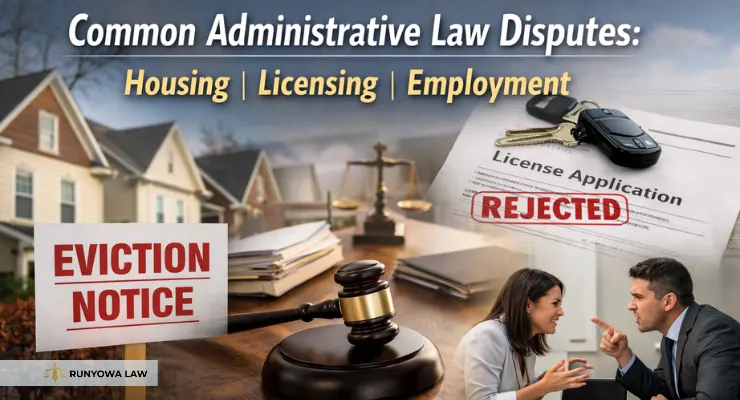
Common areas include:
- Housing and tenancy issues
- Licensing and regulatory approvals
- Employment and workplace matters
These disputes often arise when someone believes a government decision is unfair, incorrect, or unlawful.
Housing Disputes Under Canadian Law: A Major Area of Conflict
One of the most common administrative law disputes in Canada involves housing. The legal framework is designed to protect both tenants and landlords, but disagreements still occur frequently.
Common Housing Disputes Include:
- Eviction notices
- Rent increases
- Security deposit disagreements
- Maintenance and repair issues
For example, a tenant may challenge an eviction notice if they believe it violates legal requirements. Similarly, landlords may file complaints for unpaid rent or property damage.
Tribunal Handling Housing Disputes
Most housing disputes are handled by landlord and tenant boards across provinces. These tribunals aim to resolve issues efficiently, often within weeks or months.
Licensing Disputes in Canada
Licensing disputes are another major category of administrative law disputes. These occur when individuals or businesses face issues with government-issued licenses.
Common Licensing Issues:
- Business license rejection or suspension
- Professional licensing disputes
- Regulatory compliance violations
For instance, a restaurant owner may challenge a license suspension due to health inspection findings. Similarly, professionals such as real estate agents or healthcare workers may dispute disciplinary actions.
Why Licensing Disputes Matter
Licensing issues can directly affect a person’s ability to work or operate a business. Resolving these disputes quickly is critical to avoid financial and professional setbacks.
Employment Disputes Under Administrative Law
Employment-related issues also fall under administrative law, particularly when governed by employment standards or human rights legislation.
Common Employment Disputes:
- Wrongful termination
- Workplace discrimination
- Wage and overtime disputes
- Harassment complaints
Although different from housing disputes, employment conflicts often follow similar tribunal processes.
Tribunals Handling Employment Cases
Employment disputes are typically handled by:
- Employment standards tribunals
- Human rights tribunals
These bodies ensure that workers’ rights are protected under Canadian law.
How the Administrative Law Process Works in Canada
Understanding the process helps you manage disputes more effectively.
Typical Steps:
- Filing a complaint or application
- Response from the opposing party
- Evidence submission
- Mediation (optional)
- Tribunal hearing
- Decision or ruling
Each step requires proper documentation and strict adherence to deadlines.
Key Challenges in Administrative Law Disputes
While tribunals are designed to be accessible, disputes can still present challenges:
1. Complex Legal Procedures
Even simplified processes require a solid understanding of legal rules.
2. Delays and Backlogs
Some cases may take months due to high demand.
3. Evidence Requirements
Strong documentation is essential to support your claim.
How to Handle Housing Disputes Effectively
When dealing with housing disputes, consider the following:
- Keep written records of all communications
- Understand tenant and landlord rights
- File complaints within deadlines
- Consider mediation before hearings
These steps can significantly improve your chances of success.
Resolving Licensing and Employment Disputes
For licensing and employment disputes, best practices include:
- Reviewing relevant regulations
- Seeking legal advice when necessary
- Preparing evidence carefully
- Understanding tribunal procedures
Proper preparation is key to achieving a favorable outcome.
Real-Life Examples of Administrative Law Disputes
Example 1: Housing Dispute
A tenant challenges an eviction notice due to improper documentation. The tribunal reviews the case and rules in favor of the tenant.
Example 2: Licensing Dispute
A business owner appeals a license suspension and provides evidence of compliance. The decision is overturned.
Example 3: Employment Dispute
An employee files a discrimination complaint and receives compensation after tribunal review.
These examples show how administrative law disputes impact everyday life in Canada.
Benefits of Understanding Administrative Law Disputes
Being informed offers several advantages:
- Better decision-making
- Stronger case preparation
- Increased chances of success
- Reduced legal risks
Knowledge empowers individuals and businesses to handle disputes more effectively.
FAQs
What are administrative law disputes in Canada?
They are conflicts between individuals or businesses and government authorities, typically resolved through tribunals.
What are common housing disputes under Canadian law?
Common issues include eviction, rent increases, deposits, and maintenance responsibilities.
How are licensing disputes handled in Canada?
They are reviewed by regulatory bodies or tribunals, where decisions can be challenged.
What types of employment disputes fall under administrative law?
These include wrongful termination, discrimination, wage disputes, and workplace harassment.
How long do administrative law disputes in Canada take?
Timelines vary but typically range from a few weeks to several months depending on complexity.
Conclusion
Understanding administrative law disputes in Canada is essential for navigating everyday legal challenges involving government decisions, whether in housing, licensing, or employment.
From common housing issues like evictions and rent conflicts to complex licensing and workplace cases, these disputes can significantly impact your rights and responsibilities.
While the tribunal system is designed to be more accessible than traditional courts, it still requires careful preparation, proper documentation, and a clear understanding of the process.
Ultimately, whether you’re dealing with housing, licensing, or employment disputes, staying proactive, organized, and informed is key. When needed, working with an experienced legal professional like Lawyer Tavengwa Runyowa can improve your chances of achieving a fair and timely resolution.