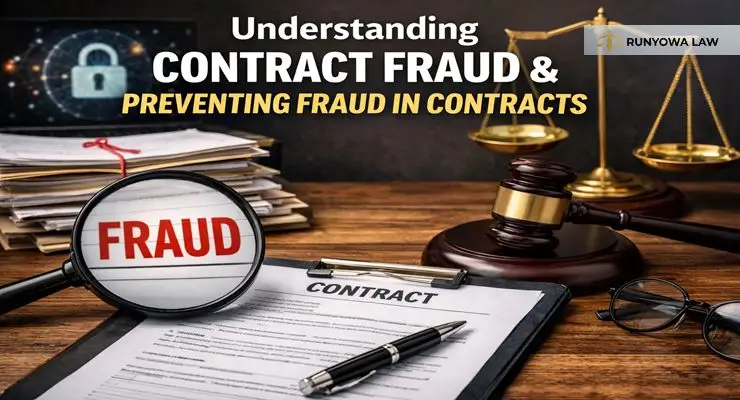
Contracts are the backbone of business relationships. Whether you are a startup founder, a contractor, a supplier, or a corporate executive, agreements define rights, responsibilities, payments, and performance expectations. But when deception enters the picture, the damage can be severe—financial loss, legal penalties, reputational harm, and broken partnerships.
That’s why preventing fraud in contracts is not just a legal concern—it’s a business survival strategy.
In this in-depth guide, we’ll break down what contract fraud is, how it happens, the warning signs to watch for, and practical steps for preventing fraud in contracts effectively. This blog is designed to help business owners, managers, legal teams, and individuals understand risks and implement safeguards.
What Is Contract Fraud?
Contract fraud occurs when one party intentionally deceives another to gain unfair advantage during the formation or execution of a contract. The deception can involve false statements, forged documents, hidden information, or manipulation of terms.
In simple terms:
If someone lies, conceals critical facts, or falsifies information to induce you into signing an agreement, that may constitute contract fraud.
Key Elements of Contract Fraud
To legally qualify as fraud, most jurisdictions require:
- A false representation of a material fact
- Knowledge that the statement is false
- Intent to deceive
- Reliance by the victim
- Resulting damages
Understanding these elements is essential when discussing preventing fraud in contracts, because prevention starts with recognizing how fraud is structured.
Common Types of Contract Fraud
Fraud can occur in many forms. Knowing the common types helps businesses focus on preventing fraud in contracts before signing anything.
1. Misrepresentation
One party provides false or misleading information about:
- Financial condition
- Capabilities or qualifications
- Ownership rights
- Product specifications
2. Concealment
Critical information is deliberately hidden, such as:
- Existing liabilities
- Pending lawsuits
- Defective products
- Conflicts of interest
3. Forgery and Alteration
This includes:
- Fake signatures
- Altered contract clauses after signing
- Modified payment terms without consent
4. Bait-and-Switch Agreements
A party presents attractive terms initially but replaces them with different terms before final execution.
5. Identity Fraud
A person pretends to represent a legitimate company or individual. Each of these scenarios highlights why preventing fraud in contracts requires structured due diligence and verification processes.
Why Preventing Fraud in Contracts Is Critical
Fraud is not just a legal inconvenience. It can create cascading consequences.
Financial Damage
- Direct monetary loss
- Legal fees
- Investigation costs
- Regulatory fines
Reputational Harm
Trust is hard to rebuild. If your company becomes associated with fraudulent agreements, stakeholders may hesitate to engage.
Legal Complications
Fraud can lead to:
- Lawsuits
- Rescission of contracts
- Criminal investigations
Operational Disruption
When fraud is discovered, operations may stall, partnerships collapse, and projects get delayed. That’s why preventing fraud in contracts must be integrated into governance policies, not treated as an afterthought.
Preventing Fraud in Contracts: A Step-by-Step Approach
Now let’s move from awareness to action.
Below are practical, actionable strategies for preventing fraud in contracts across industries.
1. Conduct Thorough Due Diligence
Due diligence is your first line of defense.
Before signing any agreement:
- Verify business registration
- Check corporate records
- Review financial statements
- Confirm physical office presence
- Validate references
If possible, conduct independent background checks on key decision-makers.
Pro Tip:
Never rely solely on documents provided by the counterparty. Independent verification is essential for preventing fraud in contracts.
2. Use Clear and Precise Contract Language
Ambiguity creates opportunity for manipulation.
Contracts should:
- Define terms clearly
- Specify performance standards
- Outline payment schedules
- Include termination clauses
- Detail dispute resolution procedures
Precise drafting reduces the risk of exploitation and strengthens efforts in preventing fraud in contracts.
3. Verify Identity and Authority
One common fraud tactic involves unauthorized signatories.
Always confirm:
- The individual’s role within the company
- Their authority to bind the organization
- Board resolutions or power of attorney documents
This step is often overlooked but is critical for preventing fraud in contracts.
4. Implement Internal Approval Processes
No contract should be signed without structured internal review.
Create:
- Multi-level approval workflows
- Legal review requirements
- Finance department checks
- Risk assessment procedures
Internal controls are foundational to preventing fraud in contracts within organizations.
5. Use Technology to Detect and Prevent Fraud
Modern technology can significantly enhance prevention efforts.
Useful Tools:
- Digital signature platforms with audit trails
- Contract lifecycle management (CLM) software
- AI-based anomaly detection
- Secure document-sharing platforms
Digital tracking reduces forgery and unauthorized alterations, strengthening your strategy for preventing fraud in contracts.
6. Include Fraud Protection Clauses
Well-drafted contracts should contain clauses addressing:
- Representations and warranties
- Indemnification
- Termination rights for misrepresentation
- Audit rights
- Confidentiality obligations
These provisions deter fraudulent behavior and reinforce accountability.
7. Train Employees Regularly
Fraud prevention is not just a legal function—it’s a company-wide responsibility.
Train teams to:
- Recognize red flags
- Report suspicious activity
- Follow contract review protocols
Education is a proactive step toward preventing fraud in contracts across departments.
8. Monitor Contract Performance
Fraud may not be visible at signing but can emerge during execution.
Monitor for:
- Missed deadlines
- Inconsistent billing
- Quality deviations
- Unusual amendments
Ongoing oversight is essential in preventing fraud in contracts beyond the negotiation stage.
Red Flags That Signal Potential Contract Fraud
Being alert to warning signs can save significant loss.
Watch Out For:
- Pressure to sign quickly
- Reluctance to provide documentation
- Unusual payment requests
- Vague responses to detailed questions
- Last-minute contract changes
- Discrepancies in signatures
If something feels off, pause. Careful scrutiny is part of preventing fraud in contracts effectively.
The Role of Legal Professionals in Preventing Fraud in Contracts
While internal measures are important, legal expertise adds an extra layer of protection.
Lawyers can:
- Draft enforceable agreements
- Conduct risk assessments
- Review suspicious clauses
- Handle fraud investigations
- Represent clients in litigation
In complex cases or high-value transactions, consulting experienced lawyers in Regina Saskatchewan can provide critical legal oversight.
If fraud occurs, disputes may escalate into formal contract disputes, requiring structured resolution.
Industry-Specific Fraud Risks
Different sectors face different fraud patterns.
Construction Industry
- Inflated invoices
- Fake subcontractors
- Material substitution
Real Estate
- False ownership claims
- Undisclosed liens
- Forged property documents
Corporate Procurement
- Kickback schemes
- Fake vendors
- Inflated pricing
Tailoring prevention strategies to industry risks strengthens overall efforts in preventing fraud in contracts.
Legal Remedies if Contract Fraud Occurs
Despite best efforts, fraud can happen. Knowing available remedies is important.
1. Rescission
The contract can be canceled, restoring parties to their original position.
2. Damages
Financial compensation for losses suffered.
3. Punitive Damages
In severe cases, courts may impose additional penalties.
4. Criminal Charges
Some fraudulent acts qualify as criminal offenses.
Legal recourse supports accountability, but proactive preventing fraud in contracts remains far more cost-effective than litigation.
How Small Businesses Can Focus on Preventing Fraud in Contracts
Small businesses are especially vulnerable because they may lack in-house legal teams.
Practical Steps:
- Use standardized contract templates
- Avoid verbal agreements
- Maintain written communication records
- Consult legal advisors for high-value deals
- Separate duties (approval vs. payment)
Even limited resources can be used strategically for preventing fraud in contracts.
Preventing Fraud in Contracts in the Digital Age
Digital transformation has changed how contracts are created and signed.
Emerging Risks:
- Cyber fraud
- Email impersonation
- Document tampering
- Deepfake identity verification
Preventive Measures:
- Multi-factor authentication
- Encrypted communications
- Secure contract management systems
- Routine cybersecurity audits
Technology must be leveraged wisely for preventing fraud in contracts in modern environments.
Frequently Asked Questions (FAQs)
1. What is the most common form of contract fraud?
Misrepresentation is the most common, where one party provides false information to induce agreement.
2. How can businesses start preventing fraud in contracts immediately?
Begin with due diligence, clear contract drafting, identity verification, and structured approval processes.
3. Can a contract be voided if fraud is discovered?
Yes. Fraud can make a contract voidable, allowing the injured party to seek rescission and damages.
4. Are digital signatures safe for preventing fraud in contracts?
Yes, when using reputable platforms with audit trails and encryption. They often provide stronger protection than handwritten signatures.
5. Who is responsible for preventing fraud in contracts within a company?
Responsibility should be shared among management, legal teams, finance departments, and compliance officers.
Final Thoughts
Fraud in contracts is not rare. It can affect businesses of all sizes and industries. But the good news is that it is largely preventable with structured systems, due diligence, employee training, legal oversight, and technological safeguards.
Preventing fraud in contracts is about building a culture of verification, transparency, and accountability. It requires:
- Awareness
- Clear documentation
- Legal precision
- Continuous monitoring
In today’s complex business environment, proactive prevention is not optional—it is essential.
By implementing the strategies outlined above, businesses can significantly reduce risk, protect financial interests, and build trustworthy professional relationships that stand the test of time.