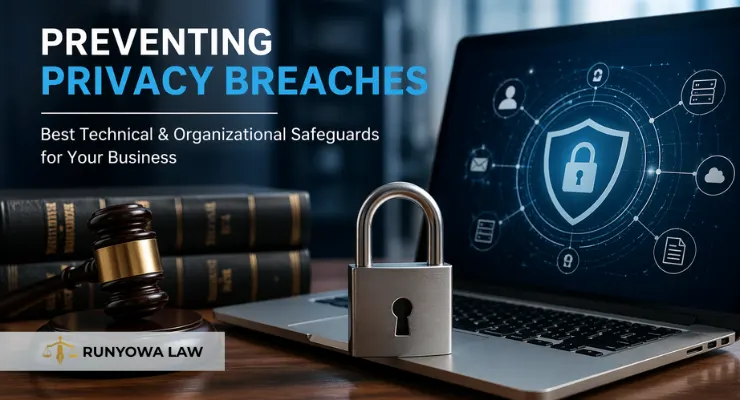
In an increasingly data-driven environment, preventing privacy breaches is not just a technical necessity—it is a legal obligation. Organizations today are entrusted with vast amounts of personal and sensitive information, and failure to protect this data can result in significant legal, financial, and reputational consequences.
For law firms and businesses operating under strict privacy regulations, safeguarding data requires a structured and compliant approach. It involves not only implementing advanced technical measures but also establishing strong governance frameworks and internal accountability.
This article explores how preventing privacy breaches can be achieved through a combination of technical safeguards, organizational controls, and legal preparedness, ensuring both protection and compliance.
Why Preventing Privacy Breaches is a Legal Priority
From a legal perspective, preventing privacy breaches is directly linked to regulatory compliance and liability management. Privacy laws impose strict obligations on organizations to protect personal information and respond appropriately in case of incidents.
Failure to comply can lead to:
- Regulatory investigations and penalties
- Civil liability and compensation claims
- Contractual disputes with clients or partners
- Long-term reputational harm
In Canada, organizations must also be prepared to address disputes arising from data incidents. Structured dispute resolution methods Canada provide an efficient mechanism to resolve such matters without prolonged litigation.
Common Causes of Privacy Breaches
Understanding the root causes is a critical step in preventing privacy breaches. In many cases, breaches occur not due to complex cyberattacks but because of internal gaps.
Human error continues to be one of the leading causes. Employees may unintentionally expose sensitive data through phishing attacks, weak passwords, or improper data handling. At the same time, outdated systems and insufficient security measures create vulnerabilities that attackers can exploit.
Other contributing factors include:
- Lack of clearly defined data protection policies
- Inadequate access control mechanisms
- Third-party vendors with weak security practices
Identifying these risks allows organizations to implement more targeted and effective safeguards.
Technical Safeguards for Preventing Privacy Breaches
Technical safeguards form the foundation of any data protection strategy. However, effectiveness lies in implementing layered security rather than relying on a single solution.
Data Encryption
Encryption ensures that sensitive information remains unreadable even if accessed without authorization. It is a key requirement in preventing privacy breaches and demonstrating due diligence.
Organizations should:
- Encrypt data both at rest and in transit
- Use up-to-date encryption standards
- Regularly review and update protocols
Multi-Factor Authentication (MFA)
Passwords alone are no longer sufficient. MFA adds an extra verification layer, significantly reducing unauthorized access risks.
Common methods include:
- One-time passwords (OTP)
- Biometric authentication
- Authentication applications
Access Control and Monitoring
Restricting access to sensitive information is a fundamental principle in preventing privacy breaches. Access should be granted only on a need-to-know basis.
Key practices include:
- Role-based access control
- Regular review of permissions
- Continuous monitoring of user activity
Network and Endpoint Security
A secure network protects against external threats, while endpoint security ensures that devices do not become entry points for attackers.
Essential measures include:
- Firewalls and intrusion detection systems
- Secure VPN access
- Device-level protection and monitoring
Regular Security Audits
Security is an ongoing process. Regular audits help identify vulnerabilities before they are exploited.
Organizations should:
- Conduct vulnerability assessments
- Perform penetration testing
- Address identified risks promptly
Organizational Safeguards for Preventing Privacy Breaches
While technical controls are essential, organizational safeguards ensure that people and processes support security efforts.
Employee Training and Awareness
Employees play a crucial role in preventing privacy breaches. Even the most advanced systems can fail if staff are not properly trained.
Training should focus on:
- Identifying phishing attempts
- Handling sensitive data responsibly
- Reporting suspicious activities promptly
Privacy Policies and Governance
Clear policies establish consistency and accountability across the organization. They also demonstrate compliance during audits or investigations.
Organizations should:
- Define data handling procedures
- Assign roles and responsibilities
- Align policies with applicable laws
Incident Response Planning
No system is entirely immune to breaches. A well-prepared incident response plan ensures quick action and minimizes damage.
An effective plan includes:
- Defined response roles
- Immediate containment measures
- Legal and regulatory notification procedures
Risk Assessment and Data Minimization
Regular risk assessments help organizations identify vulnerabilities and address them proactively. At the same time, limiting the amount of data collected reduces overall exposure.
Best practices include:
- Evaluating system vulnerabilities
- Limiting data collection to necessity
- Setting clear retention and deletion policies
Legal Compliance and Dispute Resolution
Even with robust safeguards, organizations must be prepared to manage legal risks associated with privacy breaches. Compliance with privacy laws is not just about prevention—it is also about accountability.
Understanding the Role of FOIP, LA FOIP & HIPA in Managing Privacy Breaches is essential for organizations operating within regulated environments. These frameworks provide guidance on how personal information should be handled, disclosed, and protected.
In the event of disputes, adopting structured dispute resolution methods Canada allows organizations to resolve issues efficiently while minimizing legal costs and reputational impact.
For complex matters, seeking guidance from professionals such as lawyers in Regina Saskatchewan can help ensure proper compliance and risk management.
Emerging Trends in Preventing Privacy Breaches
The landscape of preventing privacy breaches continues to evolve with advancements in technology and regulatory expectations.
Some key trends include:
- Zero Trust Security: Continuous verification of users and systems
- AI-driven threat detection: Real-time identification of suspicious activity
- Privacy by design: Integrating security into system development
- Enhanced regulatory enforcement: Increased focus on compliance
Organizations that stay aligned with these trends are better positioned to manage risks effectively.
Practical Steps for Strengthening Data Protection
Preventing privacy breaches does not always require complex solutions. Consistent and well-planned actions can significantly improve security.
Consider the following steps:
- Conduct a comprehensive data audit
- Implement encryption and MFA across systems
- Train employees regularly
- Monitor systems for unusual activity
- Update policies and procedures periodically
These practical measures help build a strong foundation for long-term data protection.
Challenges in Preventing Privacy Breaches
Despite best efforts, organizations often face challenges in implementing effective safeguards. Rapidly evolving cyber threats require constant updates, while limited resources can restrict the adoption of advanced technologies.
Additionally, navigating complex legal requirements and managing third-party risks can make preventing privacy breaches more challenging. Addressing these issues requires a combination of investment, planning, and ongoing evaluation.
Benefits of Preventing Privacy Breaches
Investing in preventing privacy breaches offers both legal and business advantages. Organizations that prioritize data protection are better equipped to build trust and maintain compliance.
Key benefits include:
- Reduced legal liability
- Improved client confidence
- Stronger regulatory compliance
- Enhanced organizational reputation
Ultimately, prevention is far more effective and cost-efficient than responding to a breach.
FAQs
1. What does preventing privacy breaches involve?
It involves implementing technical, organizational, and legal measures to protect sensitive data from unauthorized access or misuse.
2. Why is preventing privacy breaches important for compliance?
Because privacy laws require organizations to safeguard personal data and impose penalties for non-compliance.
3. What are the most effective safeguards?
A combination of encryption, access control, employee training, and governance frameworks.
4. How can organizations resolve privacy-related disputes?
They can use dispute resolution methods Canada to resolve issues efficiently and avoid lengthy legal proceedings.
5. What is the role of privacy laws like FOIP and HIPA?
They provide guidelines for handling personal data and play a key role in preventing privacy breaches and ensuring compliance.
Conclusion
Preventing privacy breaches requires a comprehensive and legally informed approach. It involves integrating technical safeguards with strong organizational practices and aligning them with applicable legal frameworks.
By adopting a proactive strategy, organizations can not only protect sensitive data but also strengthen trust, ensure compliance, and reduce long-term risks. In today’s regulatory landscape, preventing privacy breaches is not just a best practice—it is a necessity.