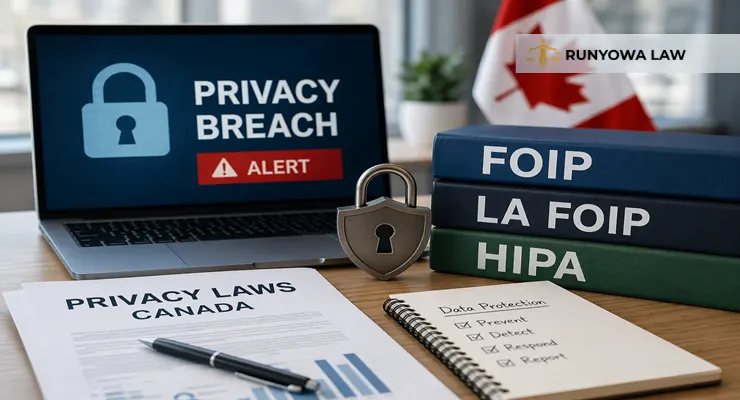
In today’s data-driven world, privacy breaches are no longer rare incidents—they are an ongoing risk for organizations across Canada. Whether it’s a government body, healthcare provider, or public institution, safeguarding sensitive data has become both a legal obligation and a trust factor.
This is where FOIP, LA FOIP & HIPA in managing privacy breaches play a critical role. These legislations are designed to protect personal and health information, ensure transparency, and define how organizations must respond when a breach occurs.
But understanding these laws isn’t just about compliance—it’s about protecting individuals, avoiding penalties, and maintaining credibility.
In this comprehensive guide, we’ll break down:
- What FOIP, LA FOIP, and HIPA are
- How they regulate privacy breaches
- Key differences and responsibilities
- Practical steps for compliance
Understanding FOIP, LA FOIP & HIPA in Managing Privacy Breaches
Before diving into breach management, it’s important to understand what each law represents.
What is FOIP?
The Freedom of Information and Protection of Privacy Act (FOIP) applies primarily to public bodies such as government departments, agencies, and institutions.
It ensures:
- Access to public records
- Protection of personal information
- Accountability in data handling
When it comes to FOIP, LA FOIP & HIPA in managing privacy breaches, FOIP focuses on how public sector organizations collect, use, and disclose personal data.
What is LA FOIP?
The Local Authority Freedom of Information and Protection of Privacy Act (LA FOIP) applies to local government bodies like:
- Municipalities
- School boards
- Local agencies
LA FOIP extends similar privacy protections as FOIP but specifically for local authorities. It plays a crucial role in ensuring privacy breach management at the community level.
What is HIPA?
The Health Information Protection Act (HIPA) is designed specifically for healthcare providers and organizations.
It governs:
- Collection of health information
- Use and disclosure of patient data
- Safeguarding sensitive medical records
Among FOIP, LA FOIP & HIPA in managing privacy breaches, HIPA is the most sensitive due to the nature of health data.
What is a Privacy Breach?
A privacy breach occurs when personal or sensitive information is accessed, used, or disclosed in a manner that is not authorized under applicable laws, regulations, or organizational policies. It indicates a failure in protecting confidential data, which may result from human error, system vulnerabilities, or deliberate actions such as unauthorized intrusion.
In simple terms, a privacy breach means that protected information is no longer secure and may be exposed to individuals, entities, or systems that do not have the right to access it. Such breaches can affect individuals, organizations, and even public institutions, making them a serious concern in today’s data-driven environment.
A privacy breach typically involves situations where data is:
- Accessed without authorization – when someone gains access to personal or confidential information without proper permission
- Lost or stolen – when physical or digital records containing sensitive data are misplaced or taken
- Disclosed improperly – when information is shared with unintended recipients or through insecure channels
The impact of a privacy breach can range from minor inconvenience to severe legal, financial, and reputational consequences. Organizations may face regulatory scrutiny, penalties, and loss of public trust if breaches are not handled appropriately.
In complex situations, seeking guidance from a privacy breach lawyer can help organizations understand their legal obligations, manage liabilities, and respond effectively to incidents.
Understanding what constitutes a breach is the foundation for prevention and response. It also ensures that organizations can align their actions with the frameworks defined under FOIP, LA FOIP & HIPA in managing privacy breaches, enabling them to minimize risks and safeguard sensitive information effectively.
Role of FOIP in Managing Privacy Breaches
The Freedom of Information and Protection of Privacy Act (FOIP) sets clear guidelines for how public institutions must respond when a privacy breach occurs. It ensures accountability, transparency, and proper handling of personal information.
Within the framework of FOIP, LA FOIP & HIPA in managing privacy breaches, FOIP focuses on public sector organizations, helping them minimize risks and protect individuals’ data effectively.
Key Responsibilities Under FOIP
FOIP requires a structured and timely response to every privacy breach.
1. Immediate Containment
Organizations must act quickly to stop the breach and prevent further exposure. This can include securing systems, restricting access, or recovering compromised data. Quick action reduces the overall impact of the breach.
2. Risk Assessment
After containment, a detailed assessment is required to understand the severity of the breach. Key factors include:
- Type of information compromised
- Number of individuals affected
- Potential harm such as identity theft or financial loss
This step helps determine the appropriate response under FOIP, LA FOIP & HIPA in managing privacy breaches.
3. Notification Requirements
Although FOIP does not always mandate notification, it strongly recommends informing affected individuals if there is a risk of harm. Notifications should be clear, timely, and include guidance on protective actions.
4. Documentation
Maintaining proper records of the breach is essential. Organizations must document:
- What happened
- Actions taken
- Risk assessment outcomes
This ensures compliance and helps prevent future incidents.
FOIP Compliance in Practice
When applying FOIP, LA FOIP & HIPA in managing privacy breaches, FOIP emphasizes:
- Transparency
- Internal controls
- Staff accountability
Public organizations must ensure employees are trained and systems are secure.
Role of LA FOIP in Managing Privacy Breaches
LA FOIP mirrors FOIP but focuses on local authorities, making it highly relevant for municipalities and community organizations.
Key Functions of LA FOIP
- Protects personal data at the local level
- Ensures responsible data handling
- Defines breach response protocols
LA FOIP Breach Response Steps
Under FOIP, LA FOIP & HIPA in managing privacy breaches, LA FOIP requires:
- Identify the breach source
- Contain the incident
- Notify affected individuals (if necessary)
- Report internally and review policies
Why LA FOIP is Crucial
Local authorities handle large volumes of personal data daily—from property records to school information. Without proper adherence to FOIP, LA FOIP & HIPA in managing privacy breaches, even small breaches can escalate into major legal issues.
Role of HIPA in Managing Privacy Breaches
HIPA stands out due to its focus on healthcare data, which is among the most sensitive types of information.
HIPA’s Approach to Privacy Breaches
HIPA mandates stricter controls compared to FOIP and LA FOIP.
Key Requirements
- Mandatory Breach Reporting
Certain breaches must be reported to authorities. - Patient Notification
Individuals must be informed if their health data is compromised. - Safeguards
Organizations must implement physical, technical, and administrative safeguards.
Importance of HIPA Compliance
In the framework of FOIP, LA FOIP & HIPA in managing privacy breaches, HIPA ensures:
- Patient trust
- Legal compliance
- Data integrity
Healthcare providers who fail to comply risk severe penalties and reputational damage.
Key Differences Between FOIP, LA FOIP & HIPA in Managing Privacy Breaches
| Feature | FOIP | LA FOIP | HIPA |
| Sector | Public bodies | Local authorities | Healthcare |
| Data Type | Personal information | Local public data | Health information |
| Reporting | Recommended | Recommended | Often mandatory |
| Sensitivity | Moderate | Moderate | High |
Understanding these differences helps organizations apply FOIP, LA FOIP & HIPA in managing privacy breaches correctly.
Steps to Manage Privacy Breaches Under FOIP, LA FOIP & HIPA
A structured approach is essential when applying FOIP, LA FOIP & HIPA in managing privacy breaches, as these laws require quick action, proper documentation, and accountability.
1. Identify the Breach
Start by understanding what happened.
- How was the breach discovered?
- What type of data is affected?
- How many individuals are impacted?
Early identification helps limit damage and ensures compliance.
2. Contain the Breach
Take immediate steps to stop further exposure.
- Secure systems and restrict access
- Recover data if possible
- Fix vulnerabilities
Quick containment reduces risks and legal consequences.
3. Assess Risk
Evaluate the potential impact.
- How sensitive is the data?
- What harm could occur?
- What is the likelihood of misuse?
This step helps decide whether notification is required under FOIP, LA FOIP & HIPA in managing privacy breaches.
4. Notify Affected Parties
Inform individuals and authorities when necessary.
- Explain what happened
- Share what data was involved
- Provide guidance on next steps
Transparent communication builds trust and ensures compliance.
5. Prevent Future Breaches
Focus on long-term improvements.
- Update policies and procedures
- Train employees
- Strengthen security systems
Regular reviews and planning help organizations stay aligned with FOIP, LA FOIP & HIPA in managing privacy breaches frameworks.
Common Causes of Privacy Breaches
Understanding causes helps prevention.
- Human error
- Weak cybersecurity
- Unauthorized access
- Poor data handling practices
Organizations must proactively address these risks while implementing FOIP, LA FOIP & HIPA in managing privacy breaches.
Penalties for Non-Compliance
Failing to follow FOIP, LA FOIP, or HIPA can result in:
- Financial penalties
- Legal consequences
- Loss of public trust
In serious cases, organizations may need legal support from professionals such as lawyers in Regina Saskatchewan to navigate complex compliance issues.
Best Practices for Compliance
To effectively implement FOIP, LA FOIP & HIPA in managing privacy breaches, organizations should:
1. Conduct Regular Audits
Evaluate data handling processes regularly.
2. Employee Training
Ensure staff understand privacy obligations.
3. Data Minimization
Collect only necessary information.
4. Strong Security Measures
Use encryption, firewalls, and secure storage.
5. Incident Response Plan
Have a clear plan for managing breaches.
Why These Laws Matter for Businesses and Organizations
Compliance with FOIP, LA FOIP & HIPA in managing privacy breaches is not optional—it’s essential. In today’s environment, where data is a critical business asset, organizations are expected to go beyond basic compliance and demonstrate accountability, transparency, and strong governance.
These laws don’t just exist to regulate—they help organizations build a structured approach to handling sensitive information responsibly. When businesses align their internal processes with these frameworks, they reduce uncertainty during crises and respond to breaches with clarity and confidence.
Key Benefits of Compliance
1. Legal Protection
Adhering to FOIP, LA FOIP, and HIPA ensures your organization operates within the boundaries of Canadian privacy law. This significantly reduces the risk of lawsuits, regulatory investigations, and costly penalties. In the event of a breach, having proper compliance measures in place can also demonstrate due diligence, which may help mitigate legal consequences.
2. Improved Reputation
Trust is one of the most valuable assets a business can have. Organizations that actively follow FOIP, LA FOIP & HIPA in managing privacy breaches are seen as responsible and ethical. On the other hand, even a single poorly handled breach can damage public perception for years.
3. Customer Trust and Loyalty
Customers, patients, and stakeholders are more aware than ever about how their data is used. When organizations clearly follow privacy laws and communicate transparently during incidents, it reassures individuals that their information is in safe hands. This trust directly impacts retention and long-term relationships.
4. Reduced Operational and Financial Risk
Privacy breaches can lead to significant financial losses—not just from fines, but also from operational disruptions, legal costs, and loss of business. A strong compliance framework minimizes these risks by ensuring quick response, proper containment, and effective recovery strategies.
5. Stronger Internal Processes
Implementing FOIP, LA FOIP, and HIPA encourages organizations to streamline their data handling practices. This includes better documentation, clearer roles and responsibilities, and improved incident response protocols. Over time, this leads to a more efficient and resilient organization.
6. Competitive Advantage
In sectors like healthcare and public services, demonstrating compliance with FOIP, LA FOIP & HIPA in managing privacy breaches can set an organization apart. Clients and partners are more likely to work with businesses that prioritize data protection and regulatory compliance.
Future of Privacy Laws in Canada
Privacy regulations in Canada are evolving quickly due to rising cyber threats and increased focus on data protection. Organizations must stay alert as legal expectations continue to grow.
What to Expect
1. Stricter Compliance Requirements
Regulators will demand clearer policies, regular audits, and proof of active compliance rather than just documentation.
2. Increased Penalties
Fines and enforcement actions are likely to become stricter, pushing organizations to take privacy laws more seriously.
3. Greater Focus on Cybersecurity
Advanced security measures like encryption and multi-factor authentication will become essential to prevent breaches.
4. Expanded Breach Reporting
Mandatory reporting rules may apply more broadly, requiring faster and more transparent responses.
Frequently Asked Questions
1. What is the main purpose of FOIP, LA FOIP & HIPA?
These laws protect personal and health information while ensuring organizations handle data responsibly and manage privacy breaches effectively.
2. Are privacy breaches always reportable?
Not always. Under FOIP and LA FOIP, reporting depends on risk, while HIPA often requires mandatory reporting.
3. Who must comply with these laws?
FOIP applies to public bodies, LA FOIP covers local authorities like municipalities and schools, and HIPA applies to healthcare providers handling personal health information.
4. What happens if an organization fails to comply?
They may face legal penalties, fines, and reputational damage.
5. How can organizations prevent privacy breaches?
By implementing strong security systems, training staff, and following compliance guidelines under FOIP, LA FOIP & HIPA.
Final Thoughts
Understanding the role of FOIP, LA FOIP & HIPA in managing privacy breaches is essential for any organization handling sensitive data in Canada. These laws provide a structured framework for preventing breaches, managing incidents effectively, and protecting individuals’ personal information. In complex cases, organizations may also seek guidance from professionals such as lawyers in Regina Saskatchewan. Organizations that take compliance seriously not only reduce the risk of penalties but also build long-term trust and credibility with the public.