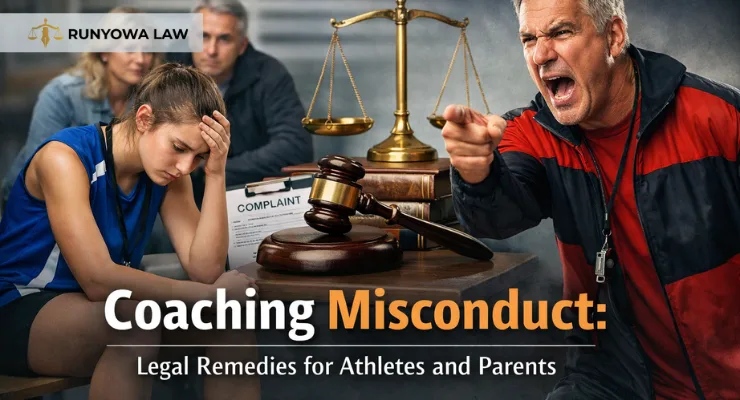
In competitive sports, coaches play a powerful role in shaping performance, confidence, and character. However, when that power is misused, coaching misconduct can cause long-lasting physical, emotional, and psychological harm. Athletes and parents are increasingly asking: What counts as misconduct? What legal remedies exist? How can accountability be enforced without fear of retaliation?
This comprehensive guide explains coaching misconduct in depth, outlines the legal rights of athletes and parents, and explores practical remedies—from internal complaints to civil lawsuits and criminal actions. Whether you are a parent of a youth athlete or an adult competitor navigating a hostile sports environment, this article is designed to be clear, actionable, and supportive.
What is Coaching Misconduct in Modern Sports
Coaching misconduct refers to inappropriate, unethical, abusive, or illegal behavior by a coach that violates professional standards, athlete welfare, or the law. Misconduct can occur at any level—youth sports, school athletics, collegiate programs, and professional leagues.
While tough coaching is often defended as “discipline,” coaching misconduct crosses the line when it causes harm, exploits authority, or violates established rules and laws.
Common Forms of Coaching Misconduct
Coaching misconduct can appear in many forms, including:
- Physical abuse: Excessive training, forced workouts as punishment, or physical harm
- Emotional or verbal abuse: Humiliation, threats, intimidation, or discriminatory language
- Sexual misconduct: Inappropriate comments, grooming, touching, or assault
- Negligence: Ignoring injuries, unsafe training practices, or lack of supervision
- Financial exploitation: Misuse of athlete funds, kickbacks, or coercive fees
- Retaliation: Punishing athletes who report concerns or refuse inappropriate demands
Understanding these categories helps athletes and parents identify coaching misconduct early and take action.
Why Coaching Misconduct Often Goes Unreported
Despite increasing awareness, coaching misconduct remains underreported due to several barriers:
- Fear of losing team placement or scholarships
- Concern about retaliation or social isolation
- Normalization of abusive behavior as “part of the sport”
- Lack of knowledge about reporting mechanisms
- Power imbalance between coach and athlete
Recognizing these barriers is the first step toward empowerment and accountability.
Legal Framework Governing Coaching Misconduct
Coaches owe athletes a duty of care—a legal obligation to act reasonably and protect athletes from foreseeable harm. When coaching misconduct violates this duty, legal liability may arise.
Duty of care includes:
- Ensuring safe training environments
- Respecting physical and emotional well-being
- Following organizational and legal standards
- Responding appropriately to injuries and complaints
Failure to meet these responsibilities strengthens legal claims related to coaching misconduct.
Contractual and Organizational Rules
Many athletes are bound by:
- Club or league contracts
- School athletic codes of conduct
- National governing body policies
Breaches of these rules due to coaching misconduct may lead to disciplinary actions, termination, or civil liability.
Legal Remedies Available to Athletes and Parents
Internal Complaints and Investigations
Most sports organizations have formal complaint procedures. Filing an internal report is often the first step in addressing coaching misconduct.
Advantages:
- Faster resolution
- Confidentiality options
- Immediate protective measures
Limitations:
- Potential bias
- Limited transparency
- Inadequate sanctions
Still, internal complaints create an important record if further legal action becomes necessary.
Civil Lawsuits for Coaching Misconduct
When internal remedies fail or harm is severe, athletes and parents may pursue civil litigation for coaching misconduct.
Common Civil Claims
- Negligence: Failure to protect athlete safety
- Assault and battery: Physical or sexual harm
- Intentional infliction of emotional distress
- Breach of fiduciary duty
- Discrimination or harassment claims
Compensation may include medical costs, therapy expenses, lost opportunities, and emotional damages.
Criminal Charges in Severe Cases
Certain forms of coaching misconduct, especially sexual abuse or physical assault, may constitute criminal offenses. Reporting to law enforcement is appropriate when conduct violates criminal statutes.
Criminal remedies focus on:
- Punishment of the offender
- Protection of current and future athletes
- Public accountability
Administrative and Regulatory Actions
Sports governing bodies may impose sanctions such as:
- Suspension or lifetime bans
- Loss of coaching certification
- Mandatory training or supervision
Administrative remedies often accompany civil or criminal actions related to coaching misconduct.
Special Considerations for Youth Athletes and Parents
Parents play a crucial role in identifying and responding to coaching misconduct. Legal systems often grant parents authority to act on behalf of minors.
Parents should:
- Document concerns carefully
- Seek medical or psychological evaluations
- Report misconduct promptly
- Advocate for their child without fear
Mandatory Reporting Laws
In many jurisdictions, coaches are considered mandatory reporters. Failure to report suspected abuse can itself be a legal violation tied to coaching misconduct.
Evidence Collection in Coaching Misconduct Cases
Strong evidence is essential when pursuing remedies for coaching misconduct.
Key Types of Evidence
- Written communications (texts, emails)
- Medical and psychological records
- Witness statements from teammates or staff
- Training logs and video recordings
- Prior complaints or disciplinary history
Proper documentation significantly improves outcomes.
The Role of Legal Counsel
Legal professionals help athletes and parents navigate complex cases involving coaching misconduct, assess options, and protect rights. Consulting experienced counsel early ensures strategic decision-making and reduces emotional burden. Some families seek region-specific support, such as lawyers in Regina Saskatchewan, when jurisdictional expertise is required.
Protecting Athletes During and After Reporting
1. Anti-Retaliation Protections
Many laws and sports policies prohibit retaliation against those who report coaching misconduct. Remedies may be available if retaliation occurs.
2. Emotional and Psychological Support
Healing from coaching misconduct often requires counseling, peer support, and time. Legal remedies should be paired with wellness-focused recovery plans.
Preventing Coaching Misconduct: Proactive Strategies
1. Education and Training
Regular training for coaches, athletes, and parents reduces the likelihood of coaching misconduct.
2. Clear Policies and Reporting Channels
Organizations must maintain transparent reporting systems and enforce consequences consistently.
3. Athlete Empowerment
Teaching athletes about boundaries, consent, and self-advocacy is essential in preventing coaching misconduct.
Sports Organizations and Liability
Organizations may be held liable for coaching misconduct if they:
- Failed to conduct background checks
- Ignored warning signs
- Lacked proper supervision
- Allowed repeat offenses
This shared responsibility encourages systemic reform.
Alternative Dispute Resolution in Coaching Misconduct Cases
Some disputes related to coaching misconduct are resolved through mediation or arbitration, especially when addressing sports misconduct complaints disputes within leagues or associations.
Benefits:
- Confidentiality
- Faster resolution
- Reduced adversarial conflict
However, ADR may not be appropriate for severe abuse cases.
Long-Term Impact of Coaching Misconduct
The effects of coaching misconduct often extend beyond sports:
- Loss of trust in authority
- Anxiety and depression
- Abandonment of athletic careers
- Strained family relationships
Legal remedies aim not only to compensate but to restore dignity and prevent recurrence.
Frequently Asked Questions (FAQs)
1. Is strict coaching the same as coaching misconduct?
No. Coaching misconduct involves harm, abuse, or violations—not constructive discipline.
2. What if my athlete fears retaliation?
Anti-retaliation laws and policies exist. Legal remedies can address retaliation linked to coaching misconduct.
3. How long do I have to file a claim?
Time limits vary by jurisdiction and claim type. Consult legal counsel promptly regarding coaching misconduct.
4. Can organizations be sued for a coach’s actions?
Yes, if negligence or failure to act contributed to coaching misconduct.
5. What if there is no physical evidence?
Testimony, patterns of behavior, and circumstantial evidence can still support coaching misconduct claims.
Conclusion
Coaching misconduct undermines the integrity of sports and the well-being of athletes. Understanding legal remedies empowers athletes and parents to take informed action, protect their rights, and promote safer sporting environments. Whether through internal reporting, civil action, or criminal proceedings, accountability is possible—and necessary.
By recognizing coaching misconduct, documenting concerns, and seeking appropriate remedies, families help ensure that sports remain a place of growth, respect, and opportunity for all.