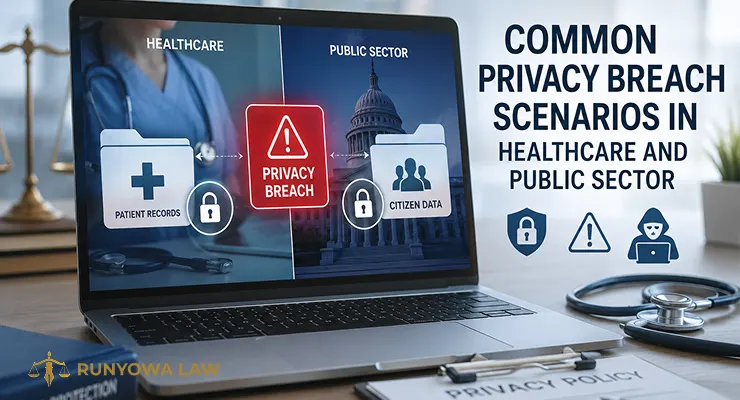
In recent years, healthcare privacy breach Canada cases have increased significantly due to growing digital data storage, remote access systems, and cyberattacks targeting sensitive information. Healthcare institutions and government organizations handle enormous volumes of confidential records every day, making them prime targets for data breaches, phishing scams, ransomware attacks, and internal misuse of information. Organizations dealing with regulatory investigations or compliance disputes related to privacy issues may also require guidance in areas involving administrative law and tribunals.
From hospitals accidentally exposing patient records to government agencies mishandling citizen data, privacy breaches can lead to financial losses, legal penalties, operational disruptions, and damaged public trust. According to reports from Canadian privacy regulators, healthcare and public institutions remain among the most frequently affected sectors for personal information breaches.
This guide explains the most common breach scenarios, their causes, legal implications, and how organizations in Canada can reduce privacy risks while maintaining compliance with national privacy laws.
What Is a Healthcare Privacy Breach in Canada?
A healthcare privacy breach Canada incident occurs when sensitive patient or personal information is accessed, disclosed, lost, or used without authorization. This can happen intentionally through cybercrime or unintentionally due to human error.
Examples include:
- Unauthorized access to medical records
- Lost laptops containing patient data
- Sending confidential files to the wrong recipient
- Employee misuse of health records
- Ransomware attacks on hospitals
- Weak cybersecurity protections
Under Canadian privacy regulations, organizations handling personal health information must implement reasonable safeguards to protect confidential data from unauthorized exposure.
Why Healthcare and Public Sectors Are Prime Targets
Healthcare and government institutions store highly valuable information such as:
- Medical histories
- Insurance details
- Financial records
- Social insurance numbers
- Prescription data
- Employment records
- Taxpayer information
Cybercriminals target these sectors because stolen healthcare data often sells for higher prices on the dark web compared to ordinary financial information.
Additionally, many organizations still rely on outdated systems, making them vulnerable to security threats and operational mistakes.
Common Healthcare Privacy Breach Scenarios in Canada
1. Unauthorized Employee Access
One of the most common causes of a healthcare privacy breach Canada issue is internal misuse by employees.
Healthcare workers sometimes access patient records without a legitimate medical reason. This may involve:
- Viewing family member records
- Accessing celebrity patient files
- Checking coworker medical histories
- Using patient information for personal reasons
Even when no data is shared publicly, unauthorized access itself can violate Canadian privacy laws.
Hospitals across Canada have reported numerous incidents involving staff improperly accessing electronic medical records (EMRs). In many cases, employees faced termination, disciplinary action, or legal consequences.
2. Phishing and Email Scams
Phishing attacks remain one of the leading cybersecurity threats in healthcare and government sectors.
Attackers often send fraudulent emails pretending to be:
- IT departments
- Healthcare providers
- Government agencies
- Insurance companies
When employees click malicious links or download infected attachments, hackers may gain access to confidential databases.
A single phishing attack can compromise thousands of patient records and disrupt healthcare operations for days or weeks.
Organizations experiencing a public sector privacy breach Canada incident due to phishing often face investigation costs, recovery expenses, and public trust issues.
3. Ransomware Attacks on Hospitals
Ransomware attacks have become increasingly common across Canadian healthcare systems.
In these attacks, hackers encrypt sensitive files and demand payment to restore access. Hospitals are frequent targets because uninterrupted access to medical data is essential for patient care.
Consequences may include:
- Cancelled appointments
- Delayed surgeries
- Inaccessible patient histories
- Emergency operational shutdowns
- Financial losses
According to cybersecurity reports, healthcare organizations worldwide experienced some of the highest ransomware costs in recent years due to downtime and recovery expenses.
A major healthcare privacy breach Canada event involving ransomware can also trigger mandatory reporting obligations under privacy regulations.
4. Lost or Stolen Devices
Portable devices continue to create serious privacy risks.
Common examples include:
- Lost laptops
- Stolen USB drives
- Unsecured tablets
- Missing smartphones containing sensitive data
If devices are not encrypted properly, unauthorized individuals may gain access to confidential information.
Healthcare workers and public employees who work remotely increase the likelihood of these incidents occurring.
Many reported public sector privacy breach Canada cases involve physical device theft combined with weak security practices.
5. Sending Information to the Wrong Recipient
Human error remains one of the largest causes of privacy breaches.
Examples include:
- Emails sent to incorrect addresses
- Faxing medical records to the wrong office
- Mailing confidential documents to the wrong patient
- Uploading files to incorrect systems
Although these mistakes may seem minor, they can expose highly sensitive personal information.
Canadian regulators often emphasize staff training and verification procedures to reduce accidental disclosures.
6. Weak Passwords and Poor Access Controls
Weak authentication systems create major cybersecurity vulnerabilities.
Common problems include:
- Shared employee accounts
- Simple passwords
- Lack of multi-factor authentication
- Excessive employee access privileges
Without proper access controls, unauthorized individuals may easily enter secure systems.
Healthcare organizations should follow strict identity verification and user access management policies to reduce breach risks.
7. Third-Party Vendor Security Failures
Healthcare providers and government agencies often work with external vendors for:
- Cloud storage
- Billing systems
- IT support
- Data processing
- Telehealth platforms
If vendors lack proper cybersecurity protections, organizations may still be legally responsible for exposed data.
Third-party breaches are becoming increasingly common in both healthcare and government sectors.
A significant public sector privacy breach Canada incident involving contractors can severely damage institutional credibility.
Legal and Regulatory Consequences in Canada
Canadian organizations handling personal information must comply with privacy regulations and sector-specific requirements.
Depending on the province and sector, organizations may face obligations under laws related to:
- Personal information protection
- Health information privacy
- Public sector data management
- Cybersecurity reporting requirements
Consequences of privacy breaches may include:
- Regulatory investigations
- Financial penalties
- Mandatory breach notifications
- Civil lawsuits
- Reputational damage
- Operational disruptions
Organizations are increasingly expected to demonstrate proactive cybersecurity and privacy compliance measures.
How Organizations Can Prevent Privacy Breaches
Implement Strong Cybersecurity Systems
Healthcare and public institutions should invest in:
- Firewalls
- Endpoint protection
- Encryption tools
- Multi-factor authentication
- Secure cloud systems
- Threat monitoring solutions
Modern cybersecurity infrastructure significantly reduces attack risks.
Conduct Regular Employee Training
Human error contributes to many breach incidents.
Training should include:
- Phishing awareness
- Password management
- Data handling procedures
- Secure remote work practices
- Reporting suspicious activity
Employees should understand their legal responsibilities when handling confidential information.
Limit Access to Sensitive Information
Not every employee requires access to all records.
Organizations should use:
- Role-based access controls
- User monitoring systems
- Audit logs
- Access restriction policies
This helps reduce insider misuse and unauthorized exposure.
Develop an Incident Response Plan
Every organization should prepare for potential breaches before they happen.
An effective response plan should include:
- Immediate containment procedures
- Investigation protocols
- Regulatory reporting steps
- Communication strategies
- Recovery measures
Fast response times can minimize damage and legal exposure.
Regularly Audit Third-Party Vendors
Before sharing sensitive data with external providers, organizations should verify:
- Cybersecurity standards
- Privacy compliance certifications
- Data storage practices
- Breach response capabilities
Vendor contracts should clearly define privacy responsibilities.
The Growing Importance of Privacy Protection in Canada
As digital healthcare systems and online government services continue expanding, privacy protection has become more critical than ever.
Patients and citizens expect organizations to protect their information responsibly. A single healthcare privacy breach Canada incident can damage public confidence for years.
At the same time, regulators are increasing scrutiny on cybersecurity preparedness, breach reporting, and organizational accountability.
Healthcare providers and public institutions that prioritize strong privacy practices are better positioned to reduce risks, maintain compliance, and preserve trust.
FAQs
- What is considered a healthcare privacy breach in Canada?
A healthcare privacy breach occurs when patient information is accessed, used, disclosed, or lost without authorization. This includes cyberattacks, employee misuse, accidental disclosures, and lost devices.
- What causes most public sector privacy breaches in Canada?
The most common causes include phishing attacks, employee mistakes, weak cybersecurity systems, unauthorized access, and lost devices containing confidential information.
- Are organizations required to report privacy breaches in Canada?
Yes. Many Canadian privacy laws require organizations to report breaches that pose a real risk of significant harm to affected individuals.
- How can healthcare organizations prevent data breaches?
Organizations can reduce risks through employee training, strong cybersecurity systems, encryption, multi-factor authentication, access controls, and incident response planning.
- Why are healthcare organizations targeted by cybercriminals?
Healthcare records contain valuable personal and financial information that can be sold or exploited for identity theft, fraud, and ransomware attacks.
Conclusion
Privacy breaches in healthcare and government sectors continue to rise as organizations manage larger volumes of digital information. From phishing scams and ransomware attacks to employee misuse and accidental disclosures, the risks associated with a healthcare privacy breach Canada incident are significant. Legal professionals such as Tavengwa Runyowa often emphasize the importance of strong compliance strategies and proactive risk management for organizations handling sensitive data.
Similarly, every public sector privacy breach Canada case highlights the growing need for stronger cybersecurity protections, staff education, and regulatory compliance.
Organizations that invest in proactive privacy management, modern security systems, and employee awareness programs can significantly reduce exposure to cyber threats and data misuse. In today’s digital environment, protecting sensitive information is no longer optional — it is an essential part of maintaining public trust and operational integrity.